Integrated Motor Technology of Hybrid Engines: High-Voltage Safety and Cooling Design
author: Vicky Wong
2026-05-28

Introduction
As the global automotive industry speeds up its shift toward full electrification, hybrid vehicles have emerged as a practical transitional solution that balances fuel efficiency, responsive driving performance and environmental sustainability. At the core of modern hybrid powertrain innovation lies electric motor integration, a advanced technology that redefines the performance limits of traditional hybrid engine systems. Precise optimization of hybrid engine components and professional application of tailored ev conversion kits are critical to upgrading overall hybrid vehicle performance, effectively solving common pain points of traditional fuel vehicles, including low energy utilization and insufficient system integration.
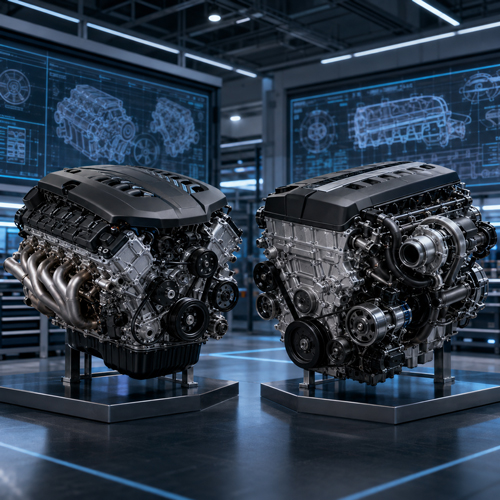
Integrated motor technology stands as a core innovation driving the iterative upgrade of modern hybrid engines. Deep electric motor integration with engine assemblies, transmission systems and control units enables hybrid vehicles to achieve scientific energy management, ultra-low emissions and efficient power output. However, the rapid adoption of hybrid technology also brings new technical challenges in high-voltage safety protection, intelligent thermal management and multi-component system integration. To sustain long-term operational reliability and stable vehicle performance, automakers and professional engine suppliers must continuously optimize high-voltage protection systems and cooling technologies. They also need to refine matching solutions for hybrid engine components and upgrade applicable ev conversion kits to adapt to complex and diverse driving scenarios. This article systematically explains the technical principles of integrated motor systems in hybrid engines, core high-voltage safety design standards, advanced cooling and thermal management solutions, and industry future trends. It also introduces professional hybrid engine products from Guangzhou Fuchuan Engine, a leading Chinese manufacturer of automotive engine assemblies.

Fundamentals of Integrated Motor Technology in Hybrid Engines
Core Principles of Integrated Motor Systems
As hybrid vehicle technology continues to evolve, integrated motor systems have become the core of modern hybrid powertrains. Mature electric motor integration technology serves as the foundation for the stable and efficient operation of all hybrid engine components. Unlike the discrete structure of traditional fuel vehicle powertrains, integrated motor technology organically combines electric motors with core systems such as transmissions and engine assemblies. This structure effectively simplifies mechanical layouts, reduces power loss during operation, and greatly improves overall power transmission efficiency.
Mainstream Hybrid Engine Configurations
Current mainstream hybrid engines fall into three core categories: mild hybrid (MHEV), full hybrid (HEV) and plug-in hybrid (PHEV). Each configuration features distinct requirements for electric motor integration schemes, hybrid engine components parameters and ev conversion kits specifications. MHEV systems mainly rely on integrated motors to assist engine acceleration and support intelligent start-stop functions, with relatively low standards for component integration and conversion accessories. HEV systems can independently switch between engine and electric motor power based on real-time driving conditions, demanding higher coordination precision for hybrid engine components. PHEV systems adopt larger-capacity batteries and external charging functions to extend pure electric driving range, which requires customized ev conversion kits to maximize energy conversion efficiency.
Key Technical Advantages of Motor Integration
Electric motor integration delivers remarkable technical advantages in actual vehicle operation. Integrated electric motors output instant torque, boosting vehicle acceleration while lowering engine fuel consumption under variable working conditions. Paired regenerative braking systems capture inertial energy during deceleration, convert it into electricity and store it in the battery, significantly improving overall vehicle energy utilization. In addition, the highly integrated design optimizes the layout of hybrid engine components, cuts down the number of independent mechanical parts, reduces vehicle weight and realizes lightweight vehicle design for better fuel economy.
This compact integrated structure not only improves fuel efficiency but also enhances overall vehicle operational reliability. It also reduces long-term maintenance and replacement costs for hybrid engine components and ev conversion kits. As the global new energy and hybrid vehicle market expands rapidly, high-precision electric motor integration has become an indispensable core technology for the research and development of next-generation automotive powertrains.
High-Voltage Safety Design in Hybrid Engines
Overview of Hybrid High-Voltage Systems
High-voltage systems provide core power support for modern hybrid vehicles, and a stable high-voltage environment is essential for the efficient operation of electric motor integration systems and all supporting hybrid engine components. As vehicle high-voltage platforms continue to upgrade, high-voltage safety design has become a top priority for automakers and component suppliers in hybrid system development. It also serves as a key evaluation standard for the compatibility and safety of ev conversion kits.
Composition of High-Voltage Safety Components
A complete hybrid high-voltage system consists of high-voltage batteries, integrated motors, inverters, power control units and high-voltage wiring harnesses. All hybrid engine components within the high-voltage loop carry high-power electrical energy, requiring professional insulation protection and real-time safety monitoring to ensure stable vehicle operation. Scientific electric motor integration design fully reserves high-voltage safety margins for component matching, while qualified ev conversion kits are equipped with complete built-in high-voltage protection modules.
Electric Shock Prevention and HVIL Protection
Electric shock prevention is the core of high-voltage safety design. Manufacturers adopt reinforced insulating materials, fully sealed connectors and metal shielding structures to eliminate electric leakage risks. The widely used High-Voltage Interlock Loop (HVIL) system monitors high-voltage circuit conditions in real time and automatically cuts off high-voltage power once faults or component damage are detected, protecting both vehicle equipment and driving safety. This intelligent protection mechanism is embedded in standard electric motor integration solutions and has become a mandatory configuration for mainstream hybrid engine components and supporting ev conversion kits.
Overcurrent and Short-Circuit Protection Mechanisms
Overcurrent and short-circuit protection are equally vital for hybrid high-voltage system stability. The advanced Battery Management System (BMS) continuously tracks battery voltage, current and temperature data to prevent overheating and thermal runaway. Supporting fuses, safety relays and intelligent electronic control units quickly isolate faulty circuits and avoid fault spread, ensuring stable operation of electric motor integration systems and other hybrid engine components. Meanwhile, standardized ev conversion kits are fitted with adaptive overcurrent protection programs to adapt to various high-voltage platform parameters.
EMI Control and International Safety Compliance
Electromagnetic interference (EMI) control is another critical challenge in hybrid system design. Integrated motors and power electronic equipment generate high-frequency signals that may interfere with vehicle control system communication. Manufacturers leverage professional electric motor integration experience to optimize cable shielding, vehicle grounding and circuit layout, effectively reducing EMI and improving the stability and anti-interference performance of hybrid engine components and matched ev conversion kits. Additionally, compliance with ISO 6469 and IEC international electrical safety standards is essential to guarantee product quality and global market competitiveness for integrated motor systems, hybrid engine components and customized ev conversion kits.
Cooling Design and Thermal Management of Integrated Hybrid Motors
Importance of Thermal Management for Integrated Motors
Efficient cooling design and intelligent thermal management systems are core guarantees for the long-term stable operation of hybrid electric motor integration systems. They directly determine the service life and operational reliability of hybrid engine components and supporting ev conversion kits. During vehicle operation, core components including integrated motors, batteries, inverters and electronic control units generate substantial heat. Without timely and effective heat dissipation, excessive temperatures will reduce motor efficiency, accelerate the aging of hybrid engine components, shorten the service cycle of ev conversion kits, and even trigger potential safety hazards.
Air Cooling and Liquid Cooling Solutions
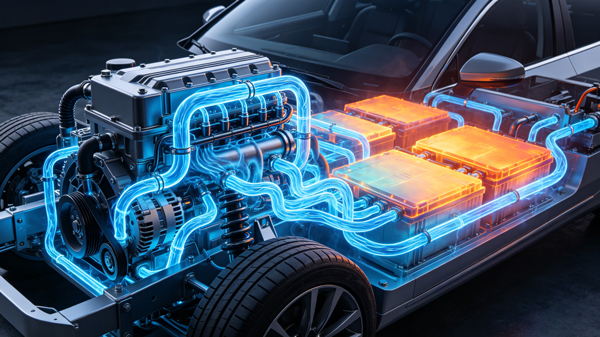
Air cooling systems feature simple structures and low manufacturing costs, making them ideal for entry-level hybrid models. However, as hybrid powertrain power and electric motor integration precision continue to improve, air cooling can no longer meet the heat dissipation demands of high-power systems. In contrast, liquid cooling technology delivers balanced and efficient heat dissipation, becoming the mainstream choice for mid-to-high-end hybrid vehicles. It circulates low-temperature coolant around motors, batteries and inverters to achieve uniform heat dissipation, maintaining an optimal working temperature for hybrid engine components and matched ev conversion kits under high-speed, heavy-load and other complex driving conditions.
Oil Cooling for High-Performance Hybrid Systems
Oil cooling technology is gaining popularity in high-performance hybrid systems. Different from conventional cooling methods, it directly cools motor windings and rotating components, solving local overheating issues caused by high-speed operation of electric motor integration systems. It effectively boosts thermal management efficiency and enhances the durability of hybrid engine components in extreme working environments. Currently, high-end customized ev conversion kits for performance hybrid models are fully compatible with oil cooling thermal management systems.
Integrated Intelligent Thermal Management Systems
Modern hybrid vehicles widely adopt integrated thermal management systems, replacing the traditional independent single-component cooling mode. Centralized thermal control platforms unify temperature regulation for integrated motors, batteries, inverters and vehicle cabin systems to realize intelligent overall thermal management. This solution perfectly matches the high-integration characteristics of electric motor integration, reduces the overall weight of thermal management equipment, optimizes the layout of hybrid engine components, and improves the adaptive matching performance of ev conversion kits.
Thermal Simulation and Future Cooling Trends
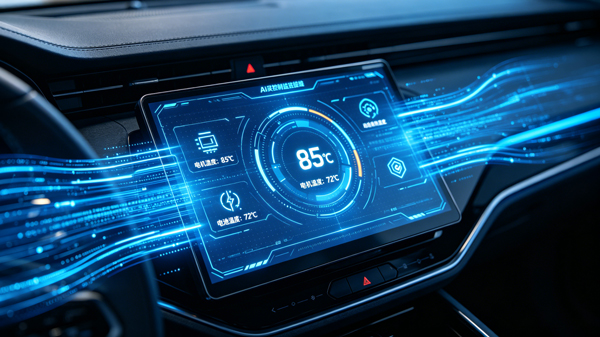
During product development, manufacturers apply thermal simulation and Computational Fluid Dynamics (CFD) analysis to accurately optimize cooling channel layouts and heat dissipation structures. The adoption of advanced lightweight thermal conductive materials further improves system heat dissipation efficiency and reliability. In the future, AI-powered intelligent thermal management systems with real-time temperature monitoring and predictive cooling functions will become standard for high-end hybrid powertrains, delivering more stable operation for electric motor integration systems, hybrid engine components and intelligent ev conversion kits.
Product Recommendation – Hybrid Engine Solutions from Guangzhou Fuchuan Engine
Company Overview and Core Product Layout
Driven by booming global hybrid vehicle demand, reliable high-quality engine suppliers have become vital links in the automotive supply chain, supporting the industrial upgrading of electric motor integration, hybrid engine components and supporting ev conversion kits. Guangzhou Fuchuan Engine, a professional Chinese automotive engine assembly manufacturer, focuses on delivering high-performance hybrid powertrain solutions for global clients. Its product lineup covers complete engine assemblies, cylinder heads, cylinder blocks and other core hybrid engine components.
Product Performance and Technical Compatibility
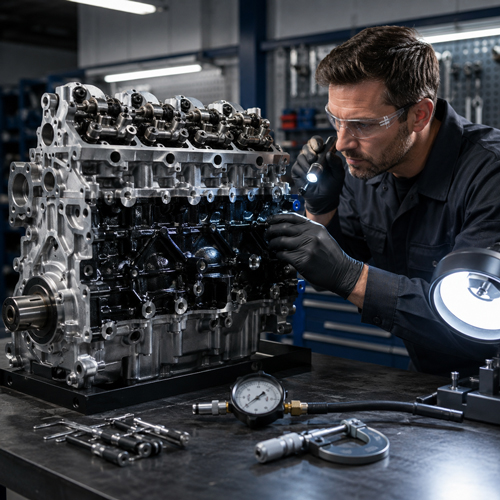
Hybrid engines require higher standards for power efficiency, thermal stability and system integration than traditional fuel engines. With advanced manufacturing technology and strict quality control systems, Guangzhou Fuchuan Engine continuously optimizes product structures and performance parameters. Its engine assemblies feature high compatibility with mainstream market electric motor integration schemes. All products undergo rigorous performance and durability tests to meet the matching requirements of modern hybrid vehicle hybrid engine components and support customized adaptation of various mainstream ev conversion kits.
Customized OEM/ODM Service Advantages
Custom OEM and ODM services are the core competitive advantages of Guangzhou Fuchuan Engine. The company provides tailored engine assembly solutions based on differentiated requirements of different vehicle platforms, market positioning and technical specifications. It optimizes the matching performance of electric motor integration, adjusts parameters of supporting hybrid engine components and completes adaptive debugging of supporting ev conversion kits. Its products cover both passenger and commercial vehicles, supported by flexible product configuration, efficient logistics and professional full-cycle technical services.
Global Market Layout and Customer Cooperation
While maintaining premium product quality, Guangzhou Fuchuan Engine offers cost-effective solutions and long-term stable cooperation for global customers. It continues to expand its market presence across Asia, the Middle East, South America, Africa and other regions. With strong manufacturing capabilities and a professional engineering team, the company drives the iterative upgrading of hybrid vehicle technology and provides solid technical and product support for the industrial development of electric motor integration, hybrid engine components and ev conversion kits worldwide.

Future Development of Hybrid Engine Integrated Motor Technology
Overall Industry Development Directions
Fueled by global automotive electrification, future hybrid engine technology will prioritize high-precision electric motor integration, intelligent system control, ultra-high energy efficiency and green sustainable manufacturing. The upgrade and iteration of hybrid engine components and intelligent ev conversion kits will also stand as core industry development trends.
Deep System Integration and Lightweight Upgrade
In-depth system integration tops the development trends of future hybrid powertrains. The industry will achieve full integration of motors, inverters, transmissions and electronic control systems, simplifying powertrain mechanical structures, reducing vehicle weight and cutting manufacturing costs. Optimized electric motor integration architectures minimize power transmission loss, improve overall vehicle energy efficiency, and drive the miniaturization, lightweight and high-precision upgrade of hybrid engine components and supporting ev conversion kits.
High-Voltage Platform Iteration and Safety Upgrade
The upgrade of high-voltage platforms will further accelerate industrial technological iteration. Future hybrid systems will gradually adopt 800V high-voltage architectures to realize faster energy transmission, higher charging efficiency and better motor dynamic performance. Meanwhile, the development of new high-insulation materials and advanced battery management systems will enhance the high-voltage safety of electric motor integration systems, and promote the safety upgrade of supporting hybrid engine components and ev conversion kits.
AI Intelligent Energy and Thermal Management
Artificial intelligence and intelligent energy management systems will be widely applied in hybrid powertrains. Intelligent control platforms monitor real-time driving conditions and energy demand, dynamically optimizing power distribution among engines, motors and batteries to maximize the energy utilization efficiency of electric motor integration systems. Matched intelligent thermal management systems support predictive cooling control, effectively extending the service life of hybrid engine components and improving the environmental adaptability of ev conversion kits.
Green and Sustainable Manufacturing Trends
Green and sustainable manufacturing runs through the entire hybrid vehicle industrial chain. Automakers and component suppliers adopt lightweight eco-friendly materials, energy-saving production processes and low-carbon manufacturing technologies to reduce carbon emissions. As hybrid vehicles serve as a vital transition between fuel vehicles and pure electric vehicles, innovative technologies including high-precision electric motor integration, high-performance hybrid engine components and intelligent ev conversion kits will continue to lead automotive industry innovation.
Conclusion
Innovative electric motor integration technology has revolutionized hybrid vehicle performance by improving fuel economy, reducing exhaust emissions and upgrading overall driving experience. High-standard high-voltage safety design and advanced intelligent thermal management solutions are essential to guarantee the stable and reliable operation of electric motor integration systems, premium hybrid engine components and matched ev conversion kits.
As global automotive electrification accelerates, enterprises must prioritize technological innovation, intelligent system optimization and sustainable development to maintain market competitiveness. Backed by robust manufacturing capabilities, professional engineering support and reliable product quality, Guangzhou Fuchuan Engine delivers high-efficiency hybrid engine solutions for global automotive customers. The company continuously promotes the technical upgrade of electric motor integration, hybrid engine components and supporting ev conversion kits, empowering the long-term innovative development of the global hybrid vehicle industry.
How to Choose a Reliable Auto Engine Supplier in China (2026 Guide)
Inline Six vs V6 Engine Balance Analysis: Vibration Impacts on Commercial Vehicle Chassis
Related Article
Explore the Nissan VQ engine, the legendary V6 engine that won Ward's 10 Best for 14 straight years. Source tested, warranted VQ units from Fuchuan Engine.
Nissan VQ Series V6: How a Naturally Aspirated Engine Dominated Ward's 10 Best for 14 Straight Years
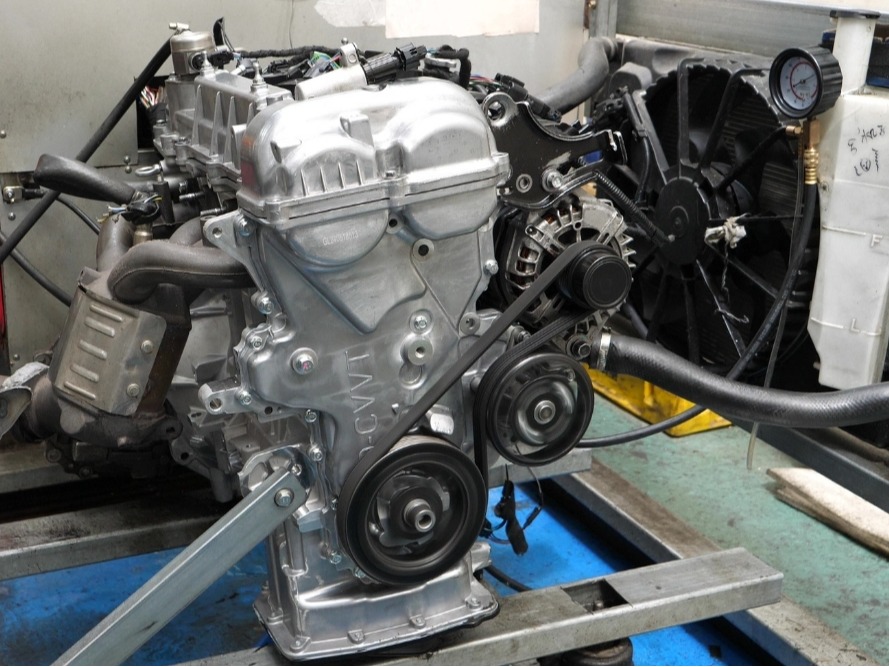
Answers to top engine buyer questions: engine MOQ, engine shipping time, engine payment terms, sample orders, warranty, and after-sales. Contact Fuchuan.
Engine Purchasing FAQ: MOQ, Lead Time, and Payment Terms Explained